
The search for clean energy has driven the use of solar panels in many parts of our nation. In recent years, the rooftops of residential, industrial and commercial buildings in general have become generators of energy.
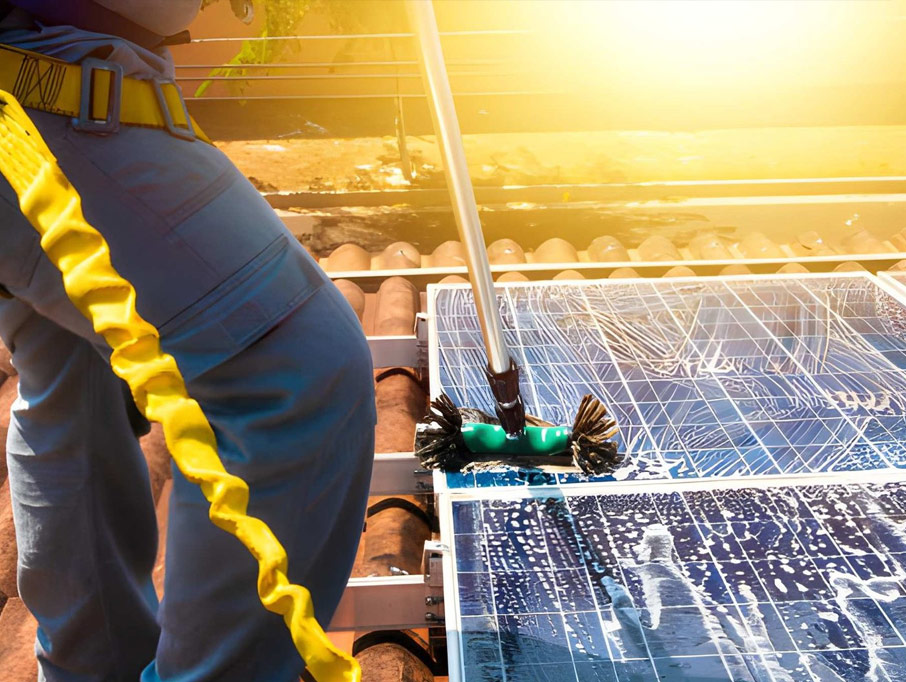
In order to make the most of this energy and ensure its efficiency, it's indispensable to pay attention to the cleaning and maintenance of solar panels. Even though there are different types of solar panels, they all require the removal of dirt, dust, and accumulated debris to advance their ability to absorb sunlight, which maximizes energy production. Here's how to clean solar panels to extend their useful life.
The importance of proper maintenance of solar panels
Constant developments in solar panel technology have made photovoltaic systems ever more resistant, efficient, and durable. However, that doesn't mean that we shouldn't take care of the equipment. The proper maintenance of solar panels can increase energy production by around 15%.
Regular inspections and proper cleaning ensure optimal operation and therefore higher energy production, which results in long-term economic benefits.
Factors that could affect the useful life of solar panels:
Six steps for proper maintenance of your solar panels
The maintenance of solar panels and regular cleaning to remove the accumulated dirt or debris are the best option to extend their useful life. To make sure you have no doubts about what tools to use and in what order you should do it, let's see how to clean solar panels step by step.
Schedule regular cleaning
To keep solar panels in good condition, you must clean them at least twice a year: one at the end of fall and another at the start of winter. If they're installed in an area with a high dust, pollen, or dirt concentration, it's recommended to clean them more often, for example every three months.
Choose the right time
The maintenance and cleaning of solar panels must be carried out during the early hours of the morning, when the panels are fresher. Cleaning them when they are still warm or exposed to direct sunlight may be counterproductive, as the combination of heat and cold water can generate thermal stresses and damage the equipment. Avoid when windy, rainy, or snowy.
Gently clean
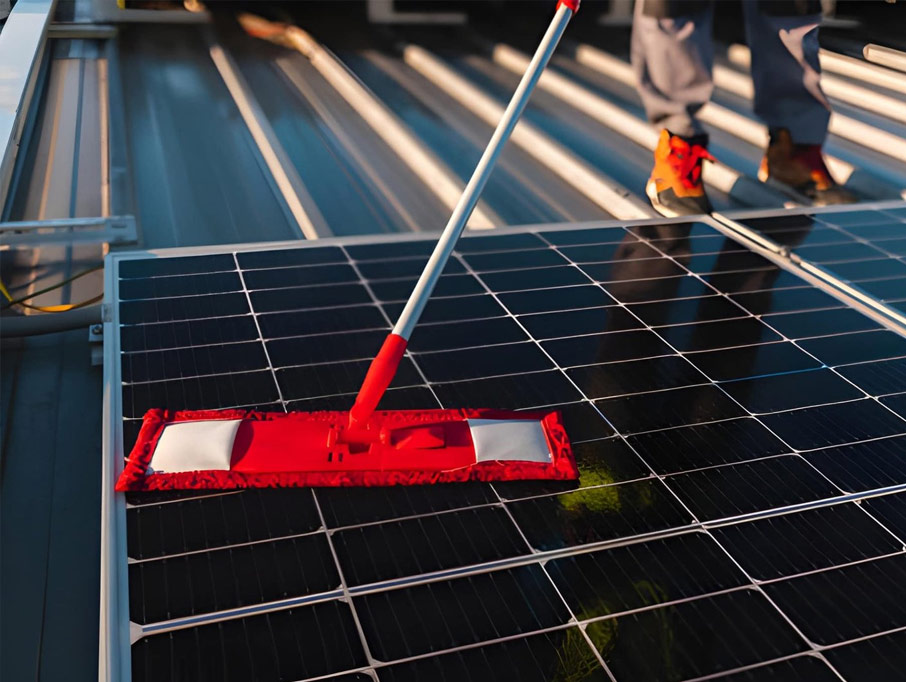
If you haven't detected any problems, you can start with the cleaning. Make sure you remove any kind of dirt, dust, or debris that may affect the performance of the solar panels.
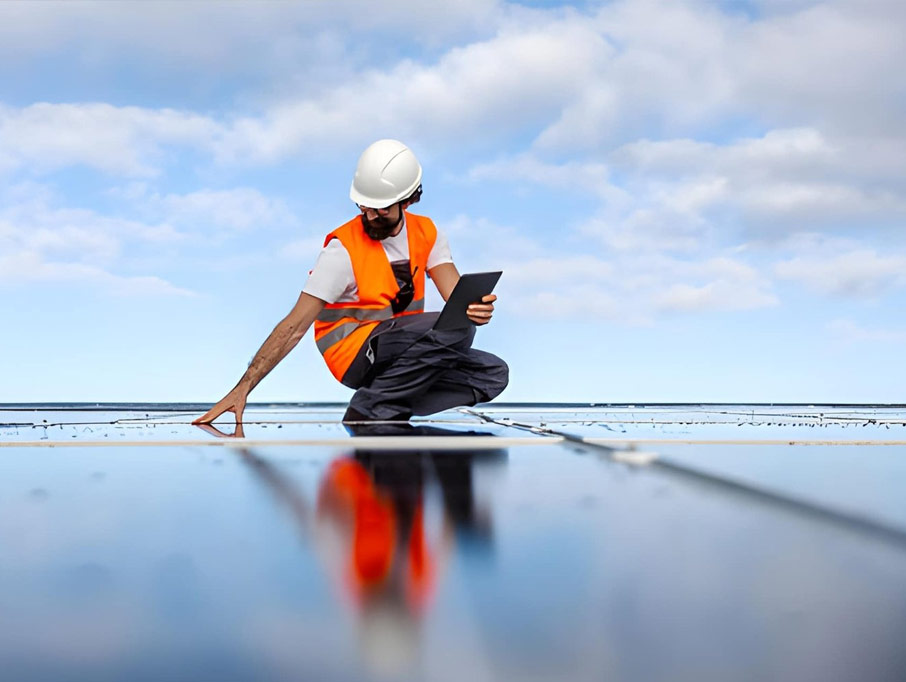
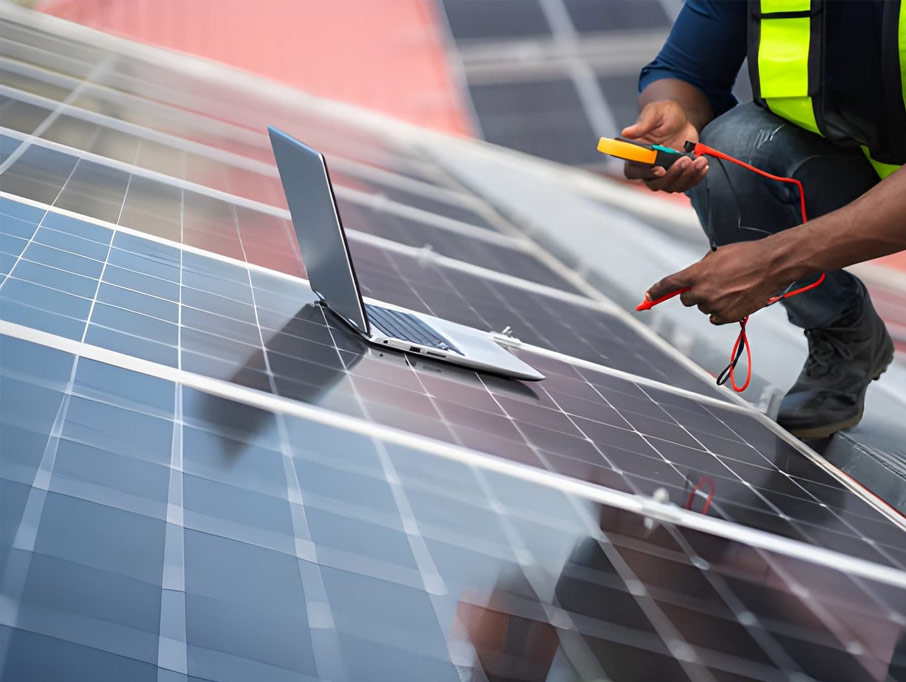
Carry out a visual inspection
Before starting, carry out a visual inspection of the solar panels to identify possible damages such as cracks, breaks, or loose connections. If you detect any problems, contact a professional to carry out the necessary checks and repairs.
Dry the panels
You can let the solar panels air-dry, or you can use soft cloths. The most important thing is that no water residue remains that may affect the efficiency of the panels.
Monitoring
For proper maintenance, record the date you clean the solar panels, and schedule the next one. This will allow you to properly monitor and maintain the installation in optimal conditions.

Commissioned Capacity
Superior solar panels installed for optimal energy efficiency.

System Installed
Competent solar system installed for consistent,renewable energy generation.

Years Experience
Over 3 years of industry track record for delivering excellence.

Satisfied Customers
Over 447+ happy clients benefiting from our solar energy solutions.
